Designing with Emotion: Why Feelings Shape Better Experiences
Emotion is not just a detail in design — it’s the core of how people connect with products. Whether someone is browsing a website, using an app, or exploring a brand, their feelings shape every decision they make. In this article, we explore why emotional design builds trust, deepens engagement, and ultimately delivers better user experiences.
Experience Focus
Emotion-Driven UX
Core Value
Empathy-Led Problem Solving
Read Time
6 Minutes
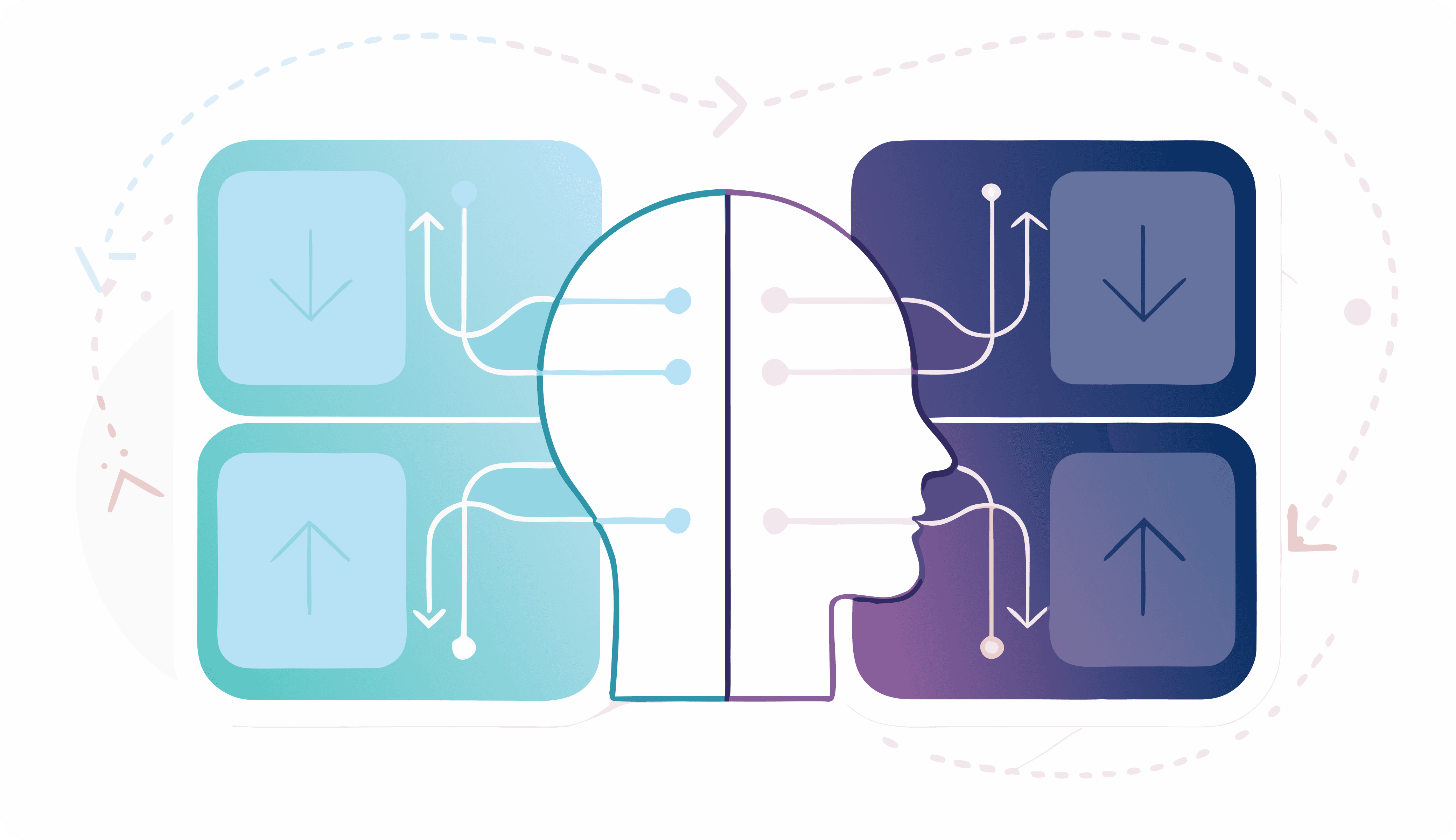
Emotion influences how users perceive clarity, usability, and value. When a design sparks the right feelings — comfort, excitement, confidence — it transforms a simple interface into a meaningful experience. Brands that intentionally design emotional touchpoints see higher loyalty and stronger user satisfaction.
Designing for Human Behavior
Every decision a user makes is driven by psychological triggers. Colors can calm or energize. Typography can guide or overwhelm. Micro-interactions can reassure or frustrate. By understanding these emotional cues, designers can craft experiences that feel intuitive, supportive, and human.